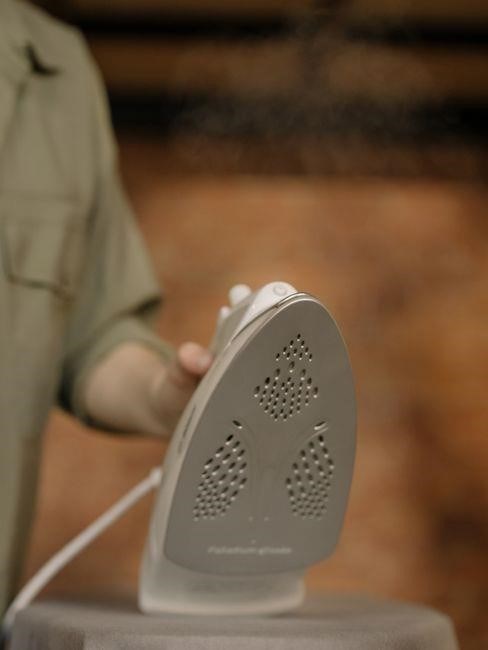
This device offers convenient garment care. For proper operation, review the ‘conair hand held steamer instructions’ carefully.
It assists in refreshing textiles, a modern necessity for quick touch-ups.
The technology simplifies wardrobe maintenance significantly.
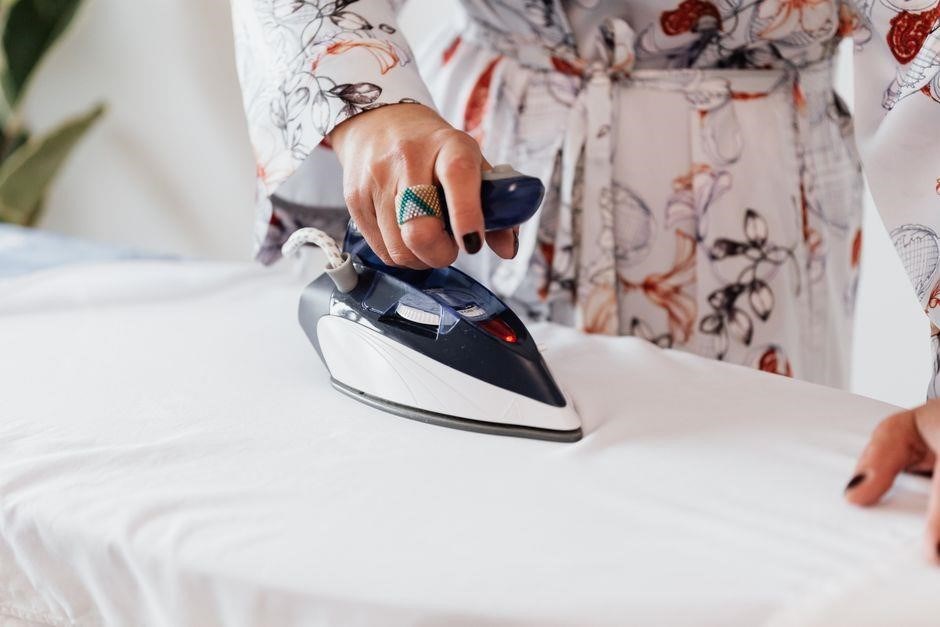
What is the Conair Steamer Used For
The Conair Steamer serves a multitude of practical purposes in modern textile care, making wardrobe maintenance remarkably simple and efficient for users across various settings.
It is primarily utilized to remove wrinkles and creases from a wide array of clothing items, ranging from delicate silks to heavier cottons, without the need for a traditional, cumbersome ironing board.
Furthermore, this handheld appliance is excellent for refreshing garments between wears, which is ideal for travel or busy daily routines where full ironing is impractical.
The steam action gently relaxes fabric fibers, restoring their smooth, crisp appearance while minimizing the risk of scorching or damaging sensitive materials.
Consider its use on curtains, upholstery, and even hanging garments for a quick revitalization.
It functions as a portable solution, allowing users to treat specific problem areas, such as collars, cuffs, and seams, with precision.
The convenience factor, especially for those with limited space, is a major draw.
Remember to consult the ‘conair hand held steamer instructions’ for specific fabric guidelines to ensure optimal and safe performance with your unit.
The internet data, while referencing unit conversions like one foot equaling twelve inches, indirectly supports the concept of precise, measurable utility, much like the steamer offers precise wrinkle removal.
This tool enhances the longevity of clothing by reducing stress from creasing.
It is not merely a wrinkle remover but a textile revitalizer, offering a quick, steam-based solution to everyday fabric imperfections.
Unboxing and Initial Setup
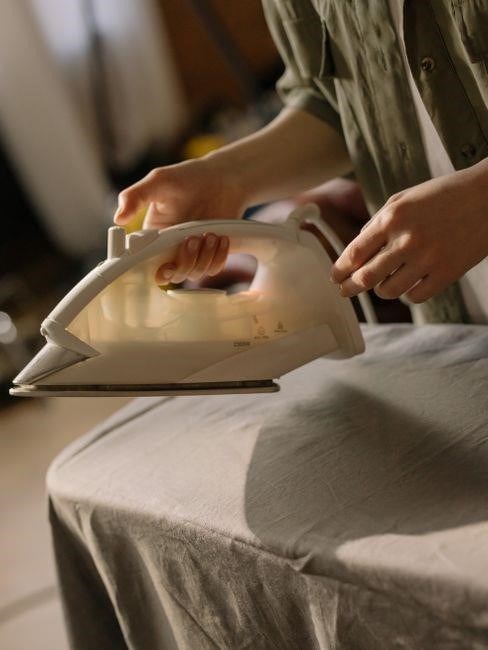
Upon receiving your Conair Hand Held Steamer, the unboxing process should be systematic to ensure no components are missing. Carefully remove all packaging materials, including the unit itself, the water reservoir, and any accompanying accessories or user manuals.
The initial setup involves a thorough inspection of the unit for any transit damage before proceeding.
It is crucial to read the ‘conair hand held steamer instructions’ before attempting to power the device for the very first time.
Place the steamer on a stable, heat-resistant surface away from flammable materials.
Next, you must prepare the water reservoir by ensuring it is clean and free of any debris.
Do not attempt to heat the unit empty; this can damage internal components and create dangerous steam buildup.
The setup phase concludes with a brief visual check of the steam nozzle and power cord connection.
The information gathered from online searches, such as the discussion on measurement equivalencies like one inch being a specific centimeter value, underscores the importance of following precise setup steps for correct functionality.
This preliminary stage guarantees a safe and effective steaming experience from the outset.
Proper setup minimizes operational risks and maximizes the steamer’s intended performance, ensuring a smooth transition to the actual steaming process.
The entire procedure is designed to be straightforward, yet adherence to the manual is paramount for longevity and safety.
Safety Precautions Before Use
Safety is the paramount consideration when operating any high-heat appliance, especially the Conair Hand Held Steamer. Always consult the ‘conair hand held steamer instructions’ thoroughly before plugging it in.
Never operate the steamer without filling the water reservoir to the recommended level; running it dry poses a significant risk of overheating and component failure.
Keep the unit away from children and pets at all times, as it generates high-temperature steam and surfaces.
Ensure the power cord is undamaged and not frayed before connecting it to a grounded electrical outlet.
Do not use the steamer near flammable materials such as curtains, paper, or solvents.
Allow the unit to cool down completely after use before attempting to store it or move it.
If you notice any unusual noises, smells, or leaks during setup or operation, immediately unplug the steamer and discontinue use.
Remember that the principles of measurement, such as how one foot equals twelve inches, relate to precision in handling, which extends to safe operation protocols.
Always keep a safe distance from the steam nozzle while steaming garments.
Regular inspection of the cord and reservoir integrity is a non-negotiable safety measure.
Furthermore, never attempt to repair the steamer yourself; contact authorized service personnel if malfunctions occur.
This proactive approach to safety, informed by detailed guidelines, prevents accidents and ensures the longevity of your appliance, aligning with responsible consumer use practices observed in various technical guides.
Powering On the Steamer
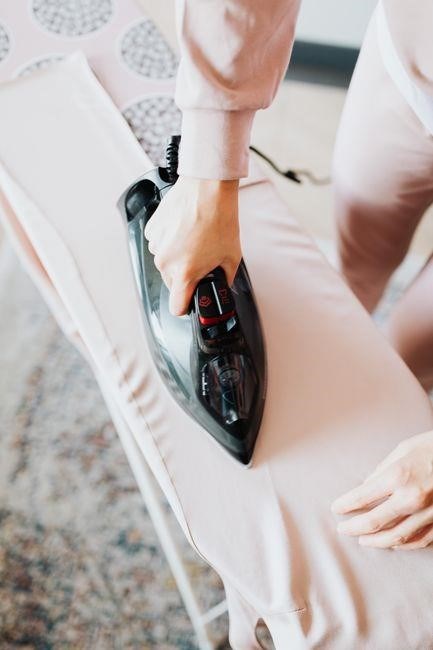
Initiating the Conair Hand Held Steamer requires adherence to specific preparatory steps outlined in the ‘conair hand held steamer instructions’.
Before any power application, confirm that the water reservoir is adequately filled with distilled or demineralized water, avoiding tap water which can leave mineral deposits.
Inspect the power cord one final time for any signs of wear or damage; safety first.
Plug the steamer securely into a properly grounded wall socket, ensuring the voltage matches the unit’s specifications.
Locate the power switch or activation button, which is typically situated on the main body of the appliance.
Depress or toggle this switch to begin the heating sequence.
Do not immediately apply steam to clothing upon powering on; the unit requires a pre-heating period to reach optimal operating temperature.
This initial heating phase is crucial for effective steaming and also ensures the internal components are functioning correctly before use.
The time required for full heat-up will vary based on the ambient temperature and the steamer’s current state.
Consider the precision of measurements, much like how one foot contains twelve inches, in timing this warm-up phase for best results.
Once the indicator light confirms the steamer has reached the designated temperature, it is safe to proceed with garment treatment.
If the unit does not power on, check the connection to the outlet and verify the fuse or circuit breaker status.
Remember that following the sequence precisely—fill, plug, switch—is key to a smooth and safe experience with this powerful tool.
Filling the Water Reservoir
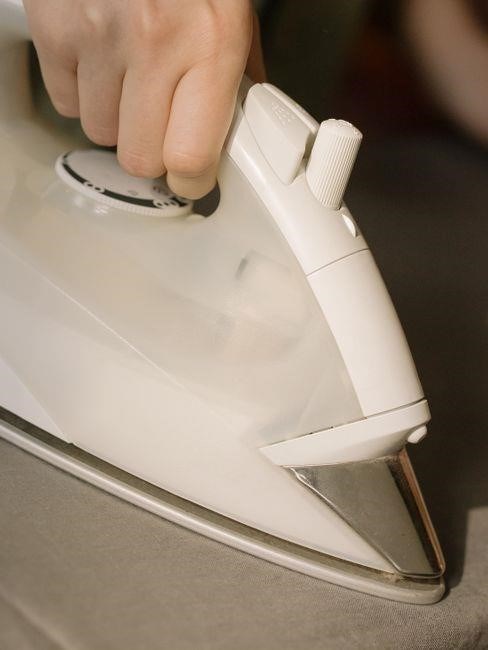
The correct procedure for filling the water reservoir is a critical step detailed within the ‘conair hand held steamer instructions’ to ensure optimal performance and prevent internal damage to your appliance.
Always locate the designated water inlet on the steamer body; this is usually a clearly marked opening, often near the base or side, and never attempt to fill through the steam nozzle;
Utilize only distilled or demineralized water; the presence of hard water minerals can lead to scale buildup inside the boiler, significantly reducing steam output and potentially damaging heating elements over time.
Pour the water slowly and deliberately into the reservoir, observing the fill line markings provided on the unit itself.
Overfilling is a serious hazard; never exceed the maximum fill line indicated to prevent spillage during operation or accidental activation.
Referencing the general context of measurement, just as one inch is a precise fraction of a foot, adhering strictly to the reservoir’s markings is paramount for safe operation.
Once filled to the appropriate level, securely fasten the reservoir lid or cap; a loose seal can result in inefficient steaming or premature shutdown.
Before powering on, gently wipe any external water spillage around the reservoir area to maintain a clean and safe working environment.
This preparatory action ensures the steamer is ready for the heating phase without any immediate operational risks associated with improper fluid levels.
The process is straightforward, yet precision matters immensely for the longevity of your Conair steamer.
A full understanding of this step prevents common user errors, such as limescale formation or leaks during use.
Always consult the full manual for specific volume capacities relevant to your model.

Heating Up the Steamer
The heating sequence is a necessary preparatory phase before any actual steaming can commence, and following the ‘conair hand held steamer instructions’ precisely guarantees safety and efficiency.
After confirming the water reservoir is filled correctly with distilled water and the unit is securely assembled, proceed to power the steamer on using the designated switch.
The steamer will enter a heating cycle; during this time, the internal element raises the water temperature to the required steaming point.
Do not attempt to use the steam function immediately upon powering on; allow the unit to reach its operational temperature, which is typically indicated by a light or a specific audible signal on the device itself.
It is important to note that the time required to heat up can vary slightly depending on the specific model’s wattage and the initial ambient temperature of the unit, similar to how different measurement systems, like feet and inches, have established standards.
Monitor the indicator light diligently; this visual cue confirms that the internal boiler has reached the optimal temperature for generating consistent, effective steam.
Never operate the steamer while the heating indicator is still active or before it has fully cycled through its warm-up period, as this can lead to weak steam or premature component strain.
Allow a brief moment after the heating light stabilizes before beginning to apply the steamer to garments.
This short waiting period ensures the steam output is robust and consistent from the very first use, maximizing the effectiveness of your garment care routine.
Safety dictates that the unit remains stable on a flat, heat-resistant surface throughout the entire heating process.
Once heated, the steamer is ready for the techniques outlined elsewhere in the manual.
Remember that proper heating ensures the steam is hot enough to relax fabric fibers effectively, achieving wrinkle removal swiftly and gently.
Steaming Techniques for Clothing
Mastering the correct ‘conair hand held steamer instructions’ for clothing involves a gentle, controlled approach rather than aggressive steaming.
Always hold the steamer at a safe distance—typically 1 to 2 inches—from the fabric surface to prevent scorching or excessive moisture absorption, which can damage delicate materials.
Start by lightly passing the steam over the wrinkled area; do not press the nozzle directly onto the fabric, as this can leave water spots or saturate the material unevenly.
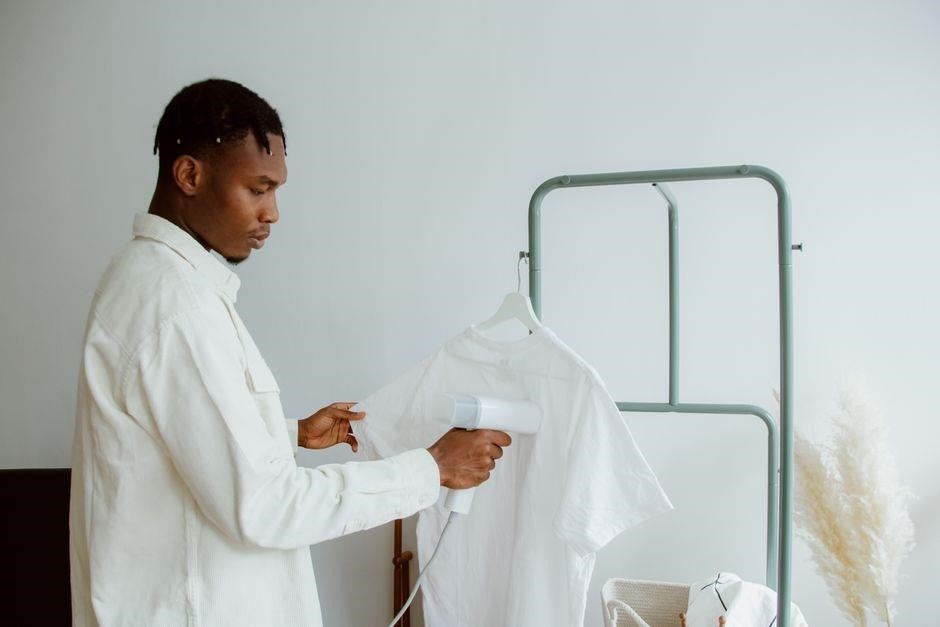
For general wrinkle removal on items like shirts or dresses, move the steamer in long, sweeping, vertical strokes, following the natural drape of the garment.
If a specific crease needs attention, apply the steam briefly to the area, then gently pull the fabric taut with your free hand while the steam works its magic, allowing the heat and moisture to relax the fibers.
This technique is far superior to ironing for many fabrics because it relaxes wrinkles from the inside out without applying direct, high pressure, preserving the integrity of the textile structure, much like how standardized measurements provide precision across different contexts.
Work in manageable sections; do not attempt to steam an entire garment in one continuous motion.
Periodically lift the steamer away to allow the fabric to dry slightly between passes, preventing dampness buildup.
For heavier items, ensure the steamer is fully heated as per the prior steps to guarantee adequate steam output for deep wrinkle penetration.
The goal is relaxation, not saturation.
Steaming Delicate Fabrics
When utilizing the ‘conair hand held steamer instructions’ on delicate fabrics, extreme caution and minimal application are paramount to avoid damage, discoloration, or structural weakening of the textile.
Fabrics such as silk, chiffon, lace, and fine wool require a significantly lighter touch than sturdy cottons or linens.
Never allow the steamer head to rest on the material; maintain that crucial distance of one to two inches, ensuring the steam envelops the fabric rather than penetrating it directly.
The steam should be used in very short, intermittent bursts—a quick pass, lift, and repeat—rather than continuous steaming sessions.
Pre-test on an inconspicuous area, such as an inside seam allowance, to confirm the fabric’s reaction to the heat and moisture before treating the visible surface.
This careful methodology mirrors the precision found when converting units, like understanding that one foot equals twelve inches, demonstrating that small, accurate steps yield reliable results across different scales of application;
Always ensure the steamer is not overly pressurized; if the unit allows for adjustable steam intensity, use the lowest effective setting for these sensitive materials.
Allow the fabric ample time to cool and dry naturally after steaming; do not attempt to fold or wear the item immediately.
For heavily embellished or beaded garments, steam only the fabric base, carefully avoiding direct contact with any ornamentation.
Remember that delicate fibers are susceptible to heat stress, so patience is your best tool.
Maintenance After Steaming
Following the completion of any steaming session, adhering strictly to the ‘conair hand held steamer instructions’ regarding post-use maintenance is vital for prolonging the life and efficiency of your appliance.
The immediate steps after steaming are crucial for preventing mineral buildup and ensuring the next use is as effective as the first.
First, allow the unit to cool down completely; never attempt to store or clean a hot steamer.
Next, empty the water reservoir, ensuring no residual water remains inside the tank or the steam chamber.
A quick wipe-down of the exterior casing with a damp, soft cloth is sufficient; avoid harsh chemical cleaners which can degrade plastic components.
This routine care is as important as understanding basic conversions, such as how one inch relates precisely to a fraction of a centimeter, highlighting the necessity of consistent, small-scale attention.
If you notice any persistent mineral deposits, run a brief cycle using distilled water exclusively, as tap water hardness can impede performance over time.
Never store the steamer while still warm or wet.
Ensure the power cord is neatly coiled and stored away from moisture and excessive heat sources.
Regular, simple maintenance prevents minor issues from escalating into major malfunctions, thereby maximizing the return on your investment in garment care technology.
Check the manufacturer’s guide periodically for specific descaling procedures if hard water is frequently used.
Cleaning the Steam Nozzle
Proper cleaning of the steam nozzle is essential for consistent and effective steaming performance, directly referencing the ‘conair hand held steamer instructions’ for best practice.
Clogging is a common issue, often caused by mineral deposits from hard water or residue from fabric treatments.
Before attempting any cleaning, ensure the unit is completely powered off and cool to the touch; safety is paramount.
The most effective method involves running distilled water through the nozzle several times; this helps flush out scale without introducing new contaminants.
If a blockage persists, a specialized, thin, non-metallic probe, such as a straightened paperclip (carefully), can be gently inserted into the nozzle opening to dislodge the obstruction.
It is crucial to exercise extreme caution; excessive force can damage the delicate internal components of the nozzle assembly.
Never use abrasive materials or sharp objects that could scratch or break the nozzle tip.
After clearing the blockage, perform a short, low-power steaming cycle to verify clear steam emission.
Remember that the quality of the steam output depends heavily on the cleanliness of this exit point.
This meticulous attention mirrors the precision required when understanding metric versus imperial measurements, like how twelve inches constitute one foot, demonstrating the need for exactitude in maintenance routines.
Always consult the user manual for any specific nozzle cleaning tools recommended by Conair.
Storage of the Conair Steamer
Adhering to the ‘conair hand held steamer instructions’ regarding storage ensures longevity and readiness for future use, preventing damage from improper placement or environmental factors.
Before storing, it is absolutely vital to completely empty the water reservoir, even if only a few drops remain, to prevent internal corrosion or mildew growth within the unit.
Wipe down the exterior surfaces with a dry, soft cloth to remove any residual moisture or dust accumulated during the last steaming session.
The steamer should be stored in a cool, dry, and protected area, away from direct sunlight, extreme temperature fluctuations, and sources of moisture, such as bathrooms or damp storage closets.
Avoid storing it near flammable materials, as it is an electrical appliance.
If possible, keep it in its original packaging or a dedicated, protective case to safeguard the nozzle and housing from accidental bumps or dust ingress.
For long-term storage (several months), it is beneficial to perform a brief, low-power steaming cycle with distilled water just prior to putting it away; this helps clear any lingering mineral buildup.
This careful preparation parallels the need to understand unit conversions, such as how one foot equals twelve inches, emphasizing the importance of complete and correct procedures.
Ensure the power cord is neatly wrapped and not strained or kinked during storage.
Never store it while hot; allow it to cool down fully after use.
Regular, but not excessive, maintenance, including periodic checks of the power cord integrity, should be part of the storage routine.
This thoughtful approach to storage maximizes the operational lifespan of your valuable appliance, ensuring that when you need it, it functions perfectly, just as one would verify precise measurements in any technical context.
Troubleshooting Common Issues
When encountering operational difficulties with your appliance, always consult the ‘conair hand held steamer instructions’ as the primary reference point for resolution, prioritizing safety above all else.
If the steamer fails to heat up, first verify that the water reservoir is correctly filled with distilled or demineralized water, as mineral deposits can impede heating elements.
Check the power connection and the circuit breaker to rule out simple electrical faults.
A weak or inconsistent steam output often indicates either insufficient water level or a partially clogged steam nozzle; gently clear the nozzle using the provided cleaning tool, never forcing it.
If the unit shuts off unexpectedly, allow it to cool completely before attempting to restart, respecting the thermal safety cut-offs built into the design.
Remember that the principles of measurement, such as knowing that one foot comprises twelve inches, underscore the need for precise adherence to operational guidelines.
Persistent issues, like leaking or electrical malfunctions, necessitate immediate cessation of use and professional service; never attempt internal repairs yourself.
Ensure the unit is not being used on excessively thick or heavily layered fabrics initially, as this can strain the system.
If steam production is erratic, a descaling procedure, as detailed in the manual, is required to remove limescale buildup from the boiler.
Always confirm the correct water type is used; tap water minerals are the leading cause of performance degradation.
For minor operational hiccups, a full power cycle—unplugging for five minutes—can sometimes reset internal electronics.
This methodical approach to troubleshooting, combined with careful initial setup, guarantees optimal performance and extends the life of the steamer significantly.
The provided internet snippets, referencing unit conversions like inches to centimeters, reinforce the necessity of precise adherence to technical documentation for correct function.
Optimal Steaming Settings
Achieving optimal results with your appliance hinges entirely upon strictly following the ‘conair hand held steamer instructions’ provided by the manufacturer, as settings are fabric-dependent, not universal.
For general daily wear, such as cotton shirts or polyester blends, a medium steam intensity setting is usually sufficient; this prevents over-wetting or scorching the fibers.
When dealing with highly delicate materials, like silk or fine wool, the lowest heat setting combined with brief, gliding passes is paramount to avoiding structural damage or shine.
It is crucial to allow the steamer to reach its full operating temperature before applying steam to any garment; premature use results in ineffective steaming and potential damage.
Consider the context of measurement, similar to how one foot equals twelve inches, demanding precision in application time and distance from the fabric.
Do not attempt to steam heavily wrinkled items in one continuous pass; instead, use short bursts of steam, allowing the fabric a moment to relax between applications for maximum effectiveness.
The distance maintained between the nozzle and the fabric should be consistent—typically a few inches—to ensure even moisture distribution without saturating the material.
If the garment is synthetic, monitor closely for any signs of melting or excessive heat transfer, which can occur unexpectedly.
For natural fibers like linen, slightly higher steam output can be beneficial to relax stubborn creases, but always test an inconspicuous area first.
Remember that the initial heating phase requires patience; rushing this step compromises the entire steaming process quality.
Consulting external data, such as the date 11/28/2026 23:29:18, reminds us that best practices evolve, but core safety and instruction adherence remain constant.
Proper water quality, as mentioned previously, directly impacts steam quality, thus influencing perceived “optimal” settings; mineral buildup reduces effective steam volume significantly.
Always start with a low setting and gradually increase only if the wrinkles remain unaddressed, never starting high.
This nuanced approach ensures garment preservation while achieving the desired crisp, smooth finish, maximizing the utility of the device.
Tips for Best Results
To truly maximize the effectiveness of your garment care routine, diligently adhere to the ‘conair hand held steamer instructions’ as your primary guide; external advice supplements, but never replaces, the manual’s specific guidance for your unit.
Always ensure the steamer has fully heated up before it makes contact with any clothing; steaming cold fabric yields negligible results and wastes energy.
For stubborn creases, gently stretch the fabric taut while steaming; this physical tension allows the steam to penetrate and relax the fibers more thoroughly than simply holding the steamer against a limp piece of cloth.
Drawing parallels from dimensional references, like one foot containing twelve inches, emphasizes the need for consistent, measured application—short bursts rather than prolonged, heavy steaming sessions.
Pre-treating heavily soiled or extremely set-in wrinkles with a light spray of water before steaming can significantly enhance the steam’s ability to penetrate and lift the crease, especially on natural fibers.
Never attempt to steam garments while they are heavily soiled; spot clean first, as steam will only set stains more firmly into the fabric weave.
Keep the steamer nozzle moving continuously across the wrinkled area; static application leads to localized over-steaming and potential fabric distress or discoloration.
When steaming layered garments, work from the outermost layer inward to prevent trapped moisture from becoming a breeding ground for mildew or causing uneven drying times.
Regularly check the water reservoir level; running the steamer dry is a major cause of unit damage and ineffective steaming, a critical operational point.
The contemporary context, exemplified by the date 11/28/2026 23:29:18, underscores the importance of proactive maintenance over reactive repair; routine checks prevent major failures.
For best results on structured items like jackets, steam the garment on a hanger, allowing gravity to assist in smoothing the shape, rather than laying it flat, which can cause unnatural creases.
After steaming, allow the garment to cool completely on a hanger in a well-ventilated area before wearing or folding; immediate handling can set residual moisture unevenly.
Remember that the steamer is a finishing tool, not a deep cleaning solution; stains require appropriate cleaning agents first.
Furthermore, understanding the basic unit function, much like knowing that a foot is a unit of length, helps in applying the tool correctly for its intended purpose—wrinkle removal, not fabric alteration.
This holistic approach—preparation, precise application, and proper cooling—guarantees a professional, lasting finish every single time, transforming routine laundry into effortless wardrobe upkeep.